
01
Mixed-use development
Representative mixed-use development case study including underwriting honesty, execution decisions, and stabilization outcome.

Selected case studies covering DGC's project work -- with role, challenge, response, and the lessons each project produced.
Representative mixed-use development case study including underwriting honesty, execution decisions, and stabilization outcome.

Value-add multifamily acquisition with re-priced basis, capex discipline, and operating-performance improvement.
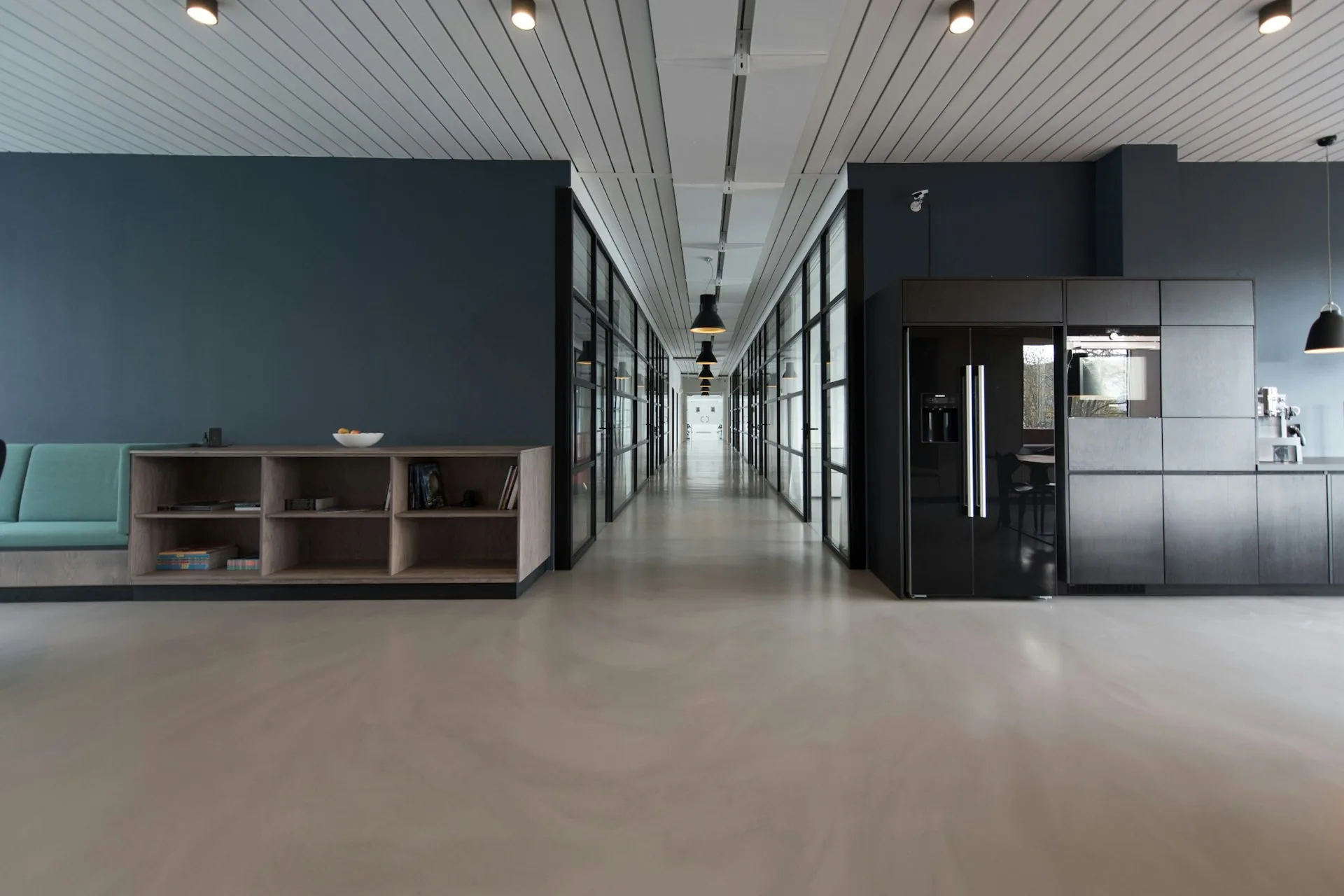
Office-to-residential conversion with entitlement coordination and the specific technical decisions that made it work.
Detailed case-study documents shared during qualified conversations with appropriate confidentiality.
A useful case study should show the decision logic behind the work. DGC evaluates the property condition, market thesis, entitlement path, capital requirements, design constraints, construction risk, operating plan, and exit or hold strategy before presenting a conclusion. The purpose is not to create a sales story; it is to document how risk was identified, how assumptions were tested, and how execution decisions were made. That makes the page more valuable for owners, capital partners, consultants, and internal teams who need a realistic view of what a similar project may require.
Each discussion should identify entitlement, market, capital, construction, timing, operating, and exit assumptions before a recommendation is treated as reliable.
Scope, responsibility, milestones, assumptions, and open diligence items should be written clearly enough for owners, partners, consultants, and lenders to review.
The practical goal is to define the next decision gate: continue diligence, revise the plan, change the structure, or stop before avoidable risk compounds.
Send the context. The principal reads every note and responds within two business days, usually faster.